
Flagship / Drone Cleaning
Drone exterior cleaning for commercial buildings.
Wash glass and facades at height from the ground. Based in Dallas–Fort Worth; available for suitable projects within approximately six hours’ driving distance. Fewer lifts and stages, less time working at height, and less disruption at the base of the building.
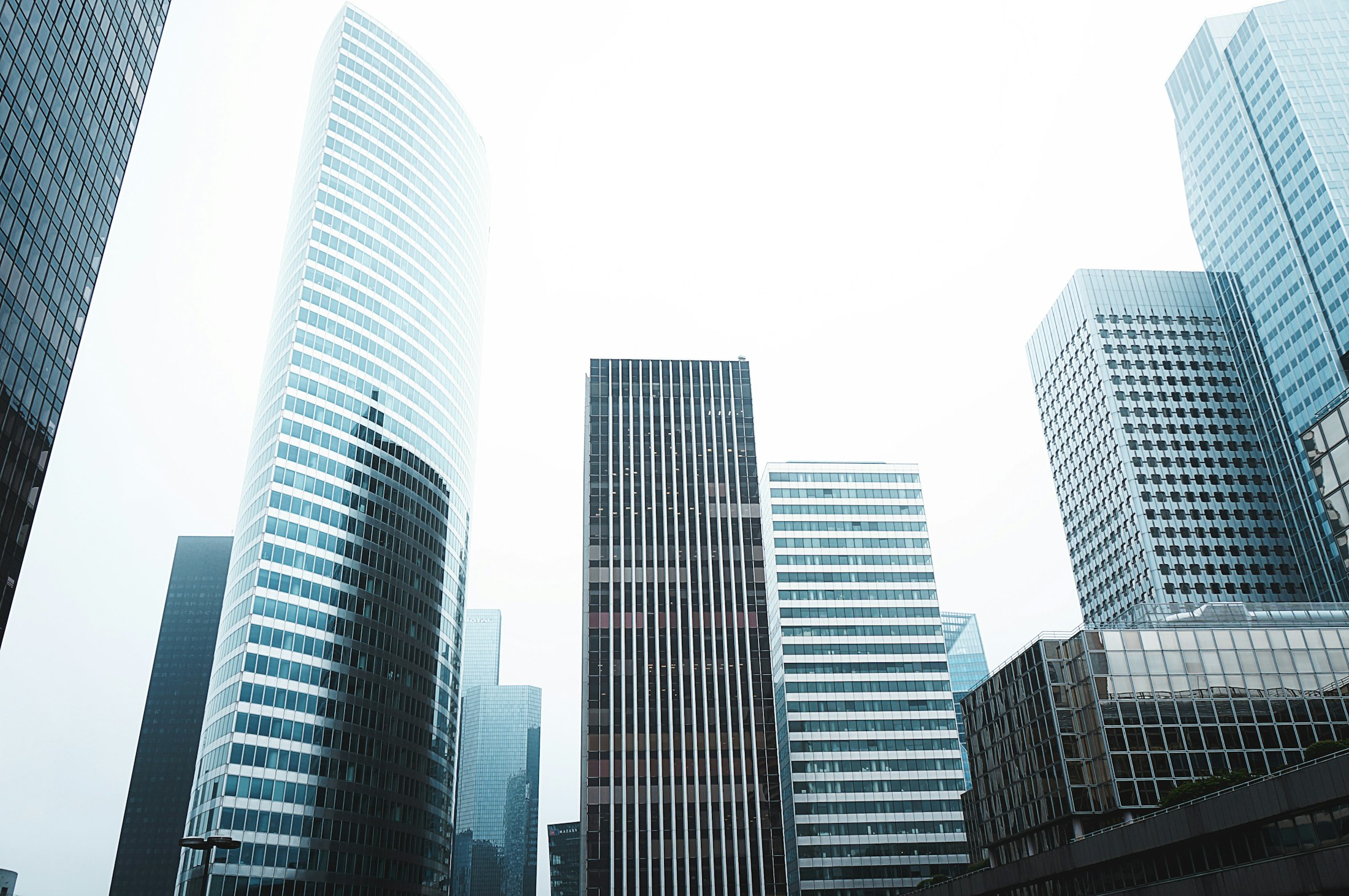
Architectural photo · Unsplash
Benefits
What changes when the cleaning comes from the air.
Lower access costs
On suitable elevations, the drone can replace some or all of the boom lifts, swing stages and rope setups — and the rental, rigging and setup time they bring.
Less exposure at height
The operator works from the ground, reducing how many people and hours are spent at height.
Smaller footprint
Less equipment at the base means fewer blocked entries, sidewalks and parking areas while occupants keep using the building.
Consistent coverage
Repetitive elevations are covered methodically, without repositioning conventional equipment again and again.
One mobilization
Drone and conventional crews can work the same visit, so the whole exterior is handled at once.
Clear scoping
Every proposal states which elevations the drone handles and which areas are cleaned conventionally.
What can be cleaned
Buildings, tanks and tall structures.
- Storage tanks, silos, stacks and towers
- Curtain wall, window wall and multi-story glass
- Stucco, EIFS and painted masonry (soft wash)
- Metal panel, ACM and fiber cement
- Tilt-wall and industrial elevations
- Parapets, cornices and upper-level trim
Good candidates
When a building suits the drone.
- Tall industrial structures — tanks, silos and stacks — where scaffolding or lifts are impractical
- Multi-story elevations where lifts or stages are costly or slow
- Occupied buildings where ground disruption matters
- Large, repetitive glass or facade areas
- Sites with open ground space for the operator and equipment
- Portfolios where several buildings can be done in one program
How the work is planned
Site, surface, weather and airspace.
The drone is one method, chosen per elevation. Every job is planned around five factors:
Site access
Ground space for the operator and equipment, plus water supply, entries and occupant movement.
Surfaces
Glass, coatings and finishes decide whether we spray, soft wash or clean conventionally.
Weather
Wind and rain govern scheduling. Dates move when conditions aren't right.
Airspace
Location and surroundings decide what coordination is needed before flying.
Detailing
Conventional crews finish entries, frames and anything the drone shouldn't do.
Equipment
The Apellix B2 platform.
Our drone work uses the Apellix B2 power-wash platform. The manufacturer lists a maximum height of up to 195 feet. Achievable reach on a given building depends on configuration and site conditions, and is confirmed during the assessment. Our pilots are FAA Part 107 certified, we carry drone-specific aviation insurance along with general business liability coverage, and we work directly with the Apellix team.
Videos: Apellix manufacturer demonstrations, embedded from YouTube. Not FC Wash projects.
For an assessment
What we'll ask for.
Send what you have. Missing details can be gathered on a site visit.
Property address
Approximate height or stories
Surfaces and elevations in scope
Target timing or bid date
Site restrictions or access notes
Photos or elevation drawings (optional)
Questions
Drone cleaning FAQ.
How high can the drone clean?+
The manufacturer lists the Apellix B2 at a maximum height of up to 195 feet. What's achievable on your building depends on our configuration, the site and airspace, so we confirm reach for each property during the assessment.
Are you licensed and insured to fly?+
Yes. Our pilots hold FAA Part 107 remote pilot certificates, and we carry drone-specific aviation insurance on top of our general business liability coverage. We're glad to provide proof of insurance to your property manager or contractor before work begins.
Where do you provide drone cleaning?+
Based in Dallas–Fort Worth; available for suitable projects within approximately six hours’ driving distance. Send the project location and we'll confirm coverage and site suitability during the assessment.
Does it work in any weather?+
No. Wind, rain and temperature affect drone work. We schedule around forecasts and may move dates to keep the work safe and the results consistent.
Can every surface be cleaned by spraying?+
No. Some glass, frames and finishes need contact cleaning or conventional detailing. The proposal sets out which method is used where.
Will we still need permits, closures or lifts?+
Sometimes. Drone access often reduces the need for conventional access equipment, but some sites still need ground-area control, conventional access for certain areas, or coordination with building management or airspace authorities.
Is drone cleaning cheaper?+
It can be, especially when it replaces lift rental, staging and time at height. It isn't automatically cheaper on every building — the assessment compares approaches honestly.
What do you need to start an assessment?+
The address, approximate height or stories, the surfaces and elevations in scope, your timing, and any site restrictions. Photos or elevation drawings help.
Next step
Is your building a good fit for drone cleaning?
Send the address and what needs cleaning. We'll review access and surfaces and come back with a recommended method and scope.